Looking for a place where you can enjoy more space, a rural setting, and still stay connected to the Bozeman area? Churchill, Montana offers exactly that balance for many homebuyers. If you are weighing the pros and cons of country living near Gallatin Valley jobs, services, and travel, this guide will help you understand what daily life in Churchill really looks like. Let’s dive in.
Why Churchill Appeals to Buyers
Churchill is an unincorporated census-designated place in Gallatin County with an estimated 1,167 residents, 431 households, and 3.6 square miles of land area, according to the U.S. Census data profile. That smaller scale is a big part of its appeal. If you want a setting that feels less built-up than Bozeman or Belgrade, Churchill gives you that lower-density character.
The area sits in the Camp Creek Hills west of the Gallatin Valley. A Montana DEQ report notes that Churchill is primarily surrounded by farm and ranchland, with Bozeman about 15 miles to the east and Belgrade serving as the largest nearby commercial hub. In practical terms, that means you can enjoy open views and rural surroundings while still reaching shopping, dining, and other services within a reasonable drive.
Rural Living Near Bozeman
One of Churchill’s biggest advantages is location. You are not living in the middle of a dense city, but you are also not cut off from the wider Gallatin Valley. The same DEQ source identifies Churchill Road, also known as Highway 288, as the main route through the settlement, helping connect residents to nearby communities.
That mix of elbow room and access matters if you work in Bozeman, Belgrade, Manhattan, or elsewhere in the valley. Census Reporter lists the average commute time in Churchill at 22.8 minutes, which suggests that many residents balance rural home life with regular travel for work, errands, and appointments.
What the Community Feels Like
Churchill is often described through its agricultural roots and long-standing local identity. The Amsterdam-Churchill Community Plan describes the area as a tight-knit farming community where open space, churches, schools, and family-oriented living have long shaped the local character.
If you are drawn to places with a quieter pace and a strong sense of local identity, that may resonate with you. Churchill is not trying to be an urban center. Its appeal is more about land, views, routine, and connection to a rural way of life that still sits within reach of larger Gallatin Valley resources.
Housing and Property Expectations
If you are considering a move to Churchill, it helps to understand the local housing picture. ACS 2024 estimates via Census Reporter show a median owner-occupied home value of $690,600 and a median household income of $108,281. Those numbers reflect Churchill’s place within the broader Gallatin Valley market, where buyers often value space, land, and access to regional employment centers.
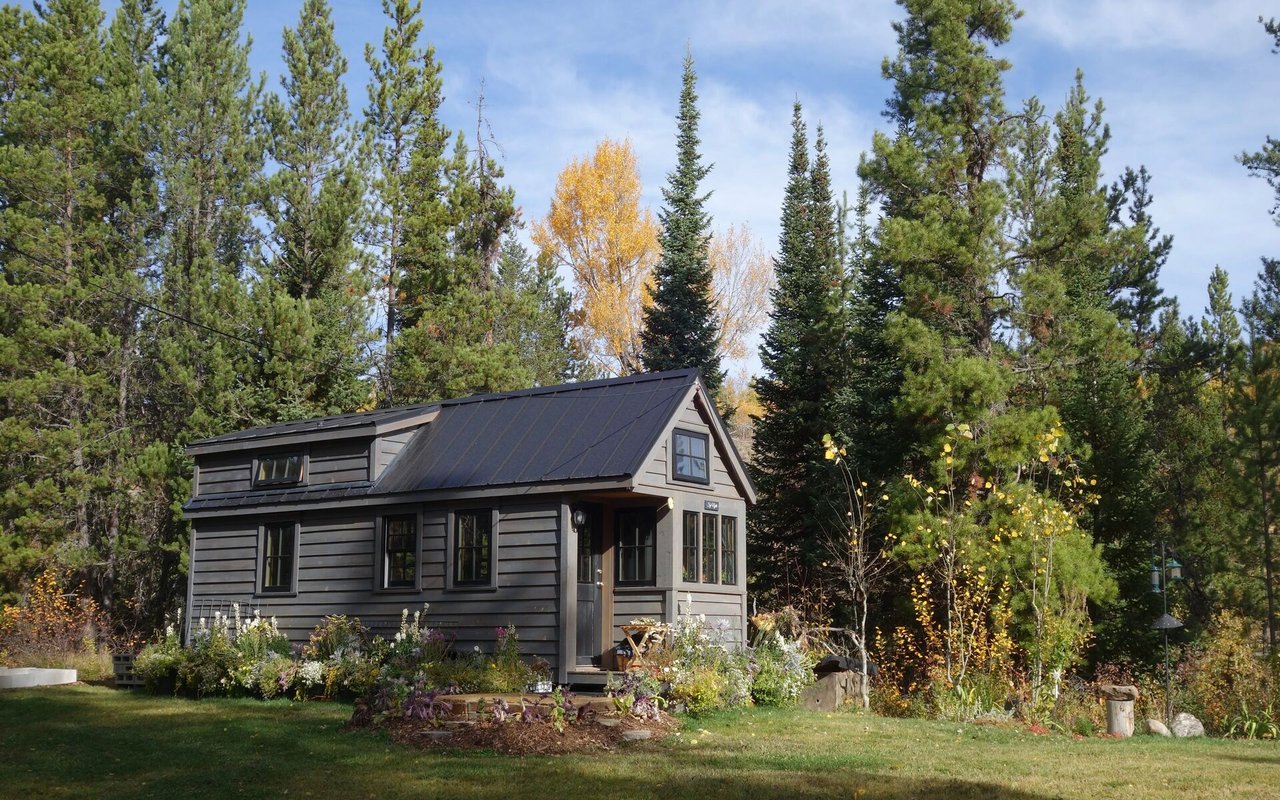
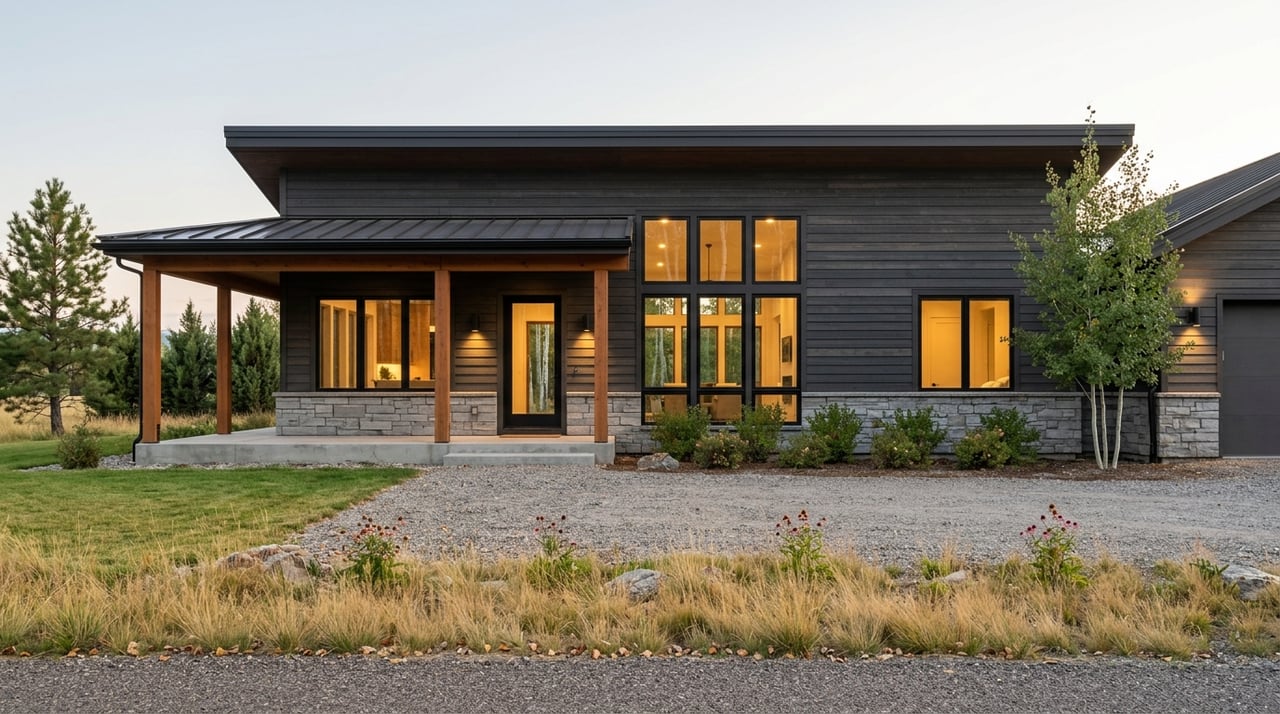
Properties in and around Churchill may appeal to buyers looking for more room than they might find in denser neighborhoods. Depending on the home, you may see features tied to rural living, such as larger lots, agricultural surroundings, and infrastructure that differs from a typical in-town subdivision.
Infrastructure in Churchill
Rural living often comes with a different set of practical questions, and Churchill is no exception. The Montana DEQ report states that domestic water in the area comes from private wells, and the community is served by a single sewer system.
That matters when you evaluate a property. If you are buying in Churchill, due diligence around water, septic or sewer connections, and general property infrastructure becomes an important part of the process. This is one area where local guidance can make a real difference, especially if you are relocating from a more urban market where city utilities are the norm.
Daily Conveniences and Services
Churchill offers a rural setting, but most day-to-day commercial services are found in nearby communities. The DEQ report identifies Belgrade as the largest nearby community with commercial services, which is useful context if you are planning your regular shopping, appointments, and errands.
Within the community itself, the same report notes two churches and a retirement home. That reinforces the fact that Churchill functions more as a small rural residential and agricultural community than as a full-service town center.
Schools Near Churchill
For buyers comparing locations, nearby education options are often part of the conversation. According to the Montana Office of Public Instruction directory, Manhattan Public Schools includes PK-12 campuses in the district, and Manhattan Christian School is located at 8000 Churchill Road.
As with any move, it is smart to verify attendance, enrollment, and program details directly with the relevant school or district. From a location standpoint, Churchill gives you access to nearby school options while keeping that rural setting many buyers are looking for.
Health Care Access
Health care access is another important factor when you are choosing where to live. Bozeman Health says it serves an eleven-county region in Southwest Montana and is the largest private employer in Gallatin County with more than 2,900 employees.
Its Deaconess Regional Medical Center in Bozeman offers 24/7 emergency care and specialty services. Bozeman Health also says its Belgrade Clinic helps keep care close to home for residents in Belgrade, Three Forks, and Manhattan, which adds useful regional access for those living in Churchill.
Regional Employers and Education
Churchill’s location also places you within reach of major Gallatin Valley institutions. Montana State University is in Bozeman and reports 17,165 students and more than 250 areas of study, making it a major educational and institutional anchor in the region.
For some buyers, proximity to the university, regional health care, and valley employers adds long-term value to Churchill’s location. You get a rural home base while remaining connected to some of the area’s largest drivers of activity and employment.
Travel and Airport Access
If you travel often or expect visiting family and friends, airport access can be a major plus. The Montana State University overview notes that Bozeman Yellowstone International Airport is Montana’s busiest airport, serves more than 2 million travelers annually, and provides year-round service for two Yellowstone National Park entrances.
For Churchill residents, that kind of regional air access can make rural living more practical. You can enjoy a quieter home environment without giving up a relatively convenient connection to broader travel routes.
Tradeoffs to Understand Before You Buy
Every location comes with tradeoffs, and Churchill is no different. The area’s rural character is a major draw, but it also means you should expect car-dependent access to many services and a lifestyle shaped by agricultural land use.
The Amsterdam-Churchill planning materials and DEQ documentation note that normal agricultural activity in the area can include dust, odors, flies, machinery noise, heavy equipment, burning, chemical sprays, and at times 24-hour operations. For some buyers, that is simply part of authentic country living. For others, it is an important factor to think through before making a move.
Who Churchill May Fit Best
Churchill may be a strong fit if you want:
- More open space and a lower-density setting
- A rural atmosphere close to Bozeman and Belgrade
- Access to Gallatin Valley jobs, education, health care, and travel
- Property types that may offer more land or separation from neighbors
It may be less ideal if you want walkable retail, city utility systems, or quick access to a wide range of services without driving. The right fit depends on how you want your daily life to feel.
Why Local Guidance Matters
Buying in a rural community often means asking different questions than you would in a city neighborhood. You may need to look more closely at well systems, access, commuting patterns, surrounding land use, and how close you want to be to services.
That is where local, neighborhood-level guidance becomes especially valuable. If you are comparing Churchill with Bozeman, Belgrade, Manhattan, or other Gallatin Valley communities, working with someone who understands the tradeoffs can help you make a move that truly fits your lifestyle.
If you are exploring homes in Churchill or anywhere in the Gallatin Valley, Clint Struble can help you navigate the local market with a concierge-style approach built around your goals.
FAQs
What is Churchill, Montana like for daily living?
- Churchill offers a rural setting with farm and ranch surroundings, lower-density housing, and regular driving access to services in nearby communities like Belgrade, Manhattan, and Bozeman.
How far is Churchill, Montana from Bozeman?
- A Montana DEQ report places Bozeman about 15 miles east of Churchill, making it close enough for commuting and access to major services.
What should homebuyers know about utilities in Churchill, Montana?
- Buyers should know that domestic water in Churchill comes from private wells and the community is served by a single sewer system, so property-specific due diligence is important.
Are there schools near Churchill, Montana?
- Yes. Nearby options listed in the Montana OPI directory include Manhattan Public Schools and Manhattan Christian School on Churchill Road.
Is Churchill, Montana a good fit for commuters?
- It can be. Census data shows an average commute time of 22.8 minutes, which suggests many residents balance rural living with work or services in nearby Gallatin Valley communities.
What are the tradeoffs of living in Churchill, Montana?
- The main tradeoffs include car-dependent access to services, rural infrastructure considerations, and the impacts of normal agricultural activity such as dust, odors, equipment noise, and seasonal operations.